Pressure Washing vs. Soft Washing for Roofs and House Siding: Which One Is Right for Your Home?
When it’s time to clean your home’s exterior, many homeowners wonder: Should I use pressure washing or soft washing?
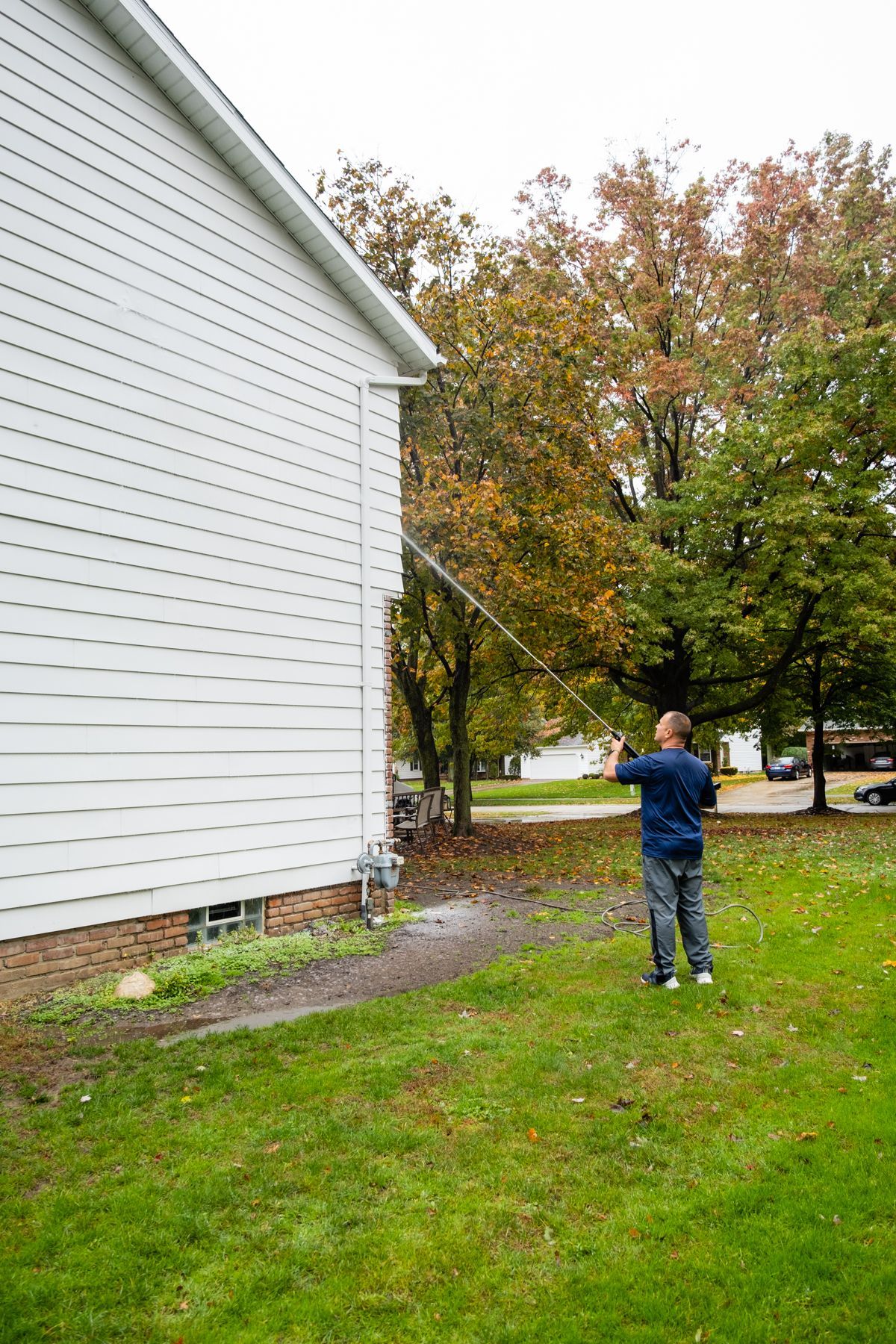
When it’s time to clean your home’s exterior, many homeowners wonder: Should I use pressure washing or soft washing?
While both methods clean dirt, algae, and stains, they work very differently — and choosing the wrong one can cause expensive damage, especially to your roof and house siding.
At HALO Cleaning Services, we specialize in safe, professional exterior cleaning throughout Greater Cleveland. Here’s a clear breakdown to help you understand the real differences.
What Is Pressure Washing?
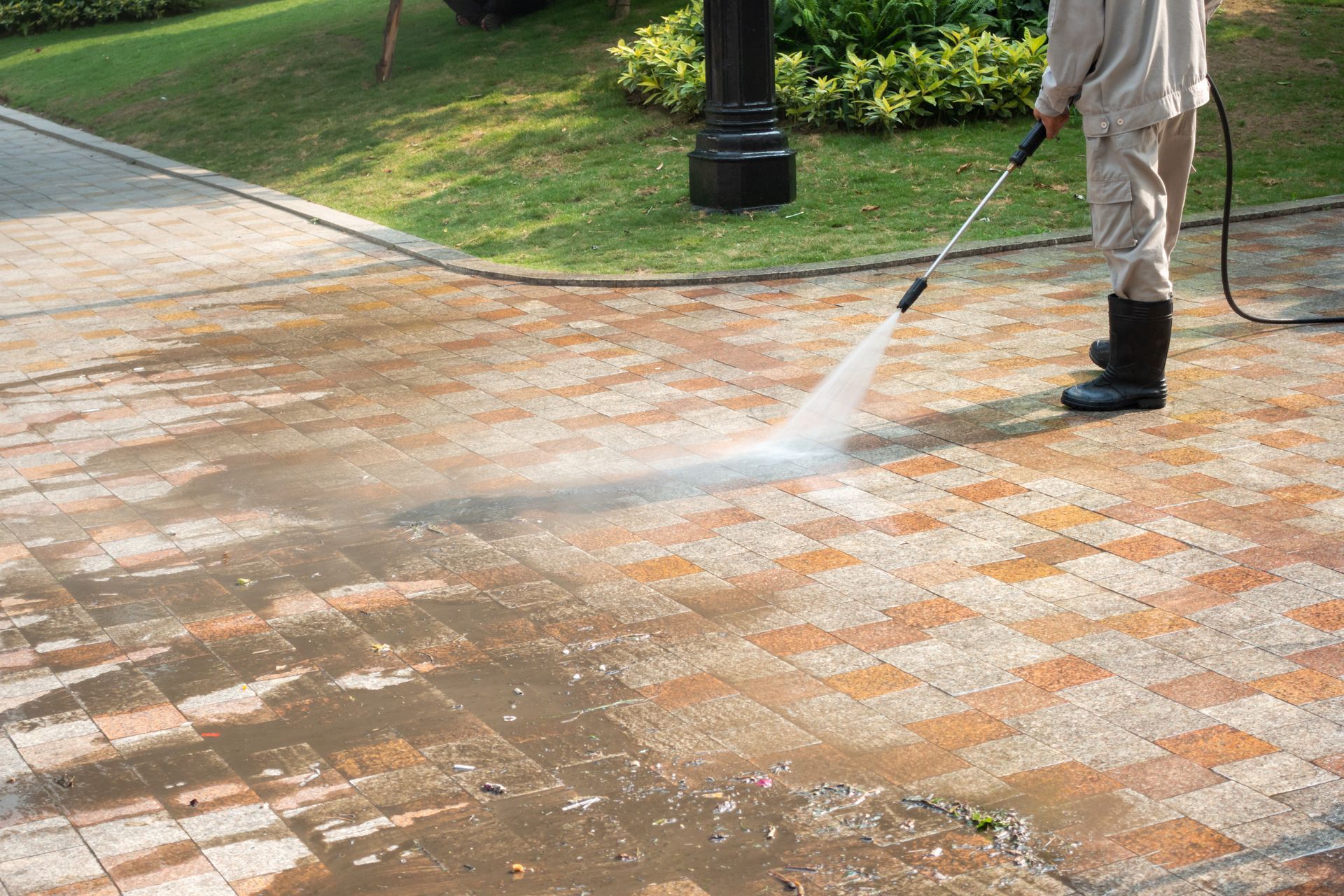
Pressure washing (also called power washing) uses high-pressure water — typically 1,500 to 4,000 PSI — to blast away dirt, grime, and buildup. It relies almost entirely on the force of the water.
Best for:
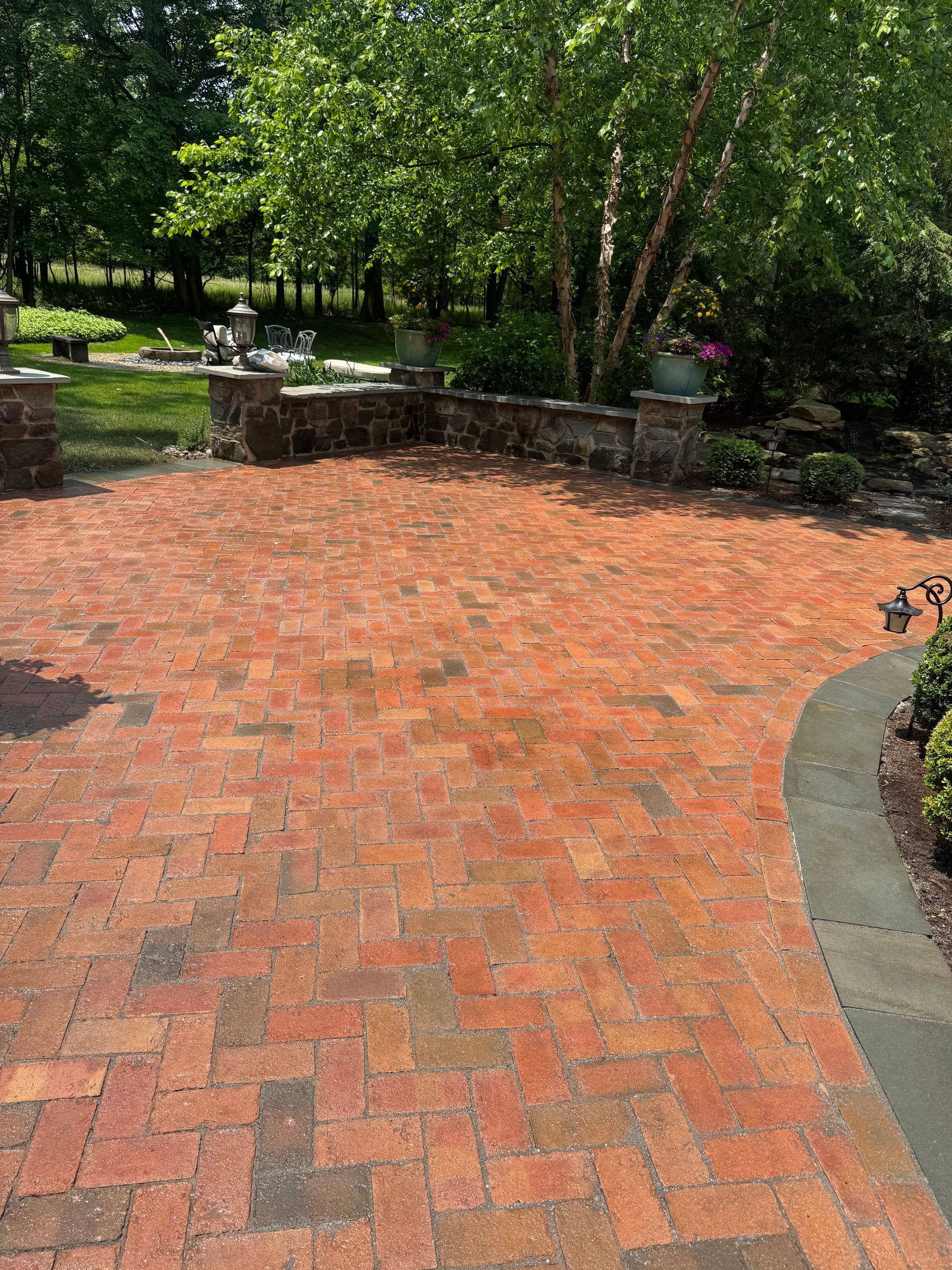
- Concrete driveways, sidewalks, and patios
- Brick or stone hardscapes
- Heavy mud or tough stains on durable surfaces
What Is Soft Washing?
Soft washing uses very low pressure (usually under 500 PSI) combined with specialized, often biodegradable cleaning solutions (surfactants, algaecides, and mild detergents). The chemicals do most of the work by killing organic growth at the root, while a gentle rinse removes the debris.
Best for:
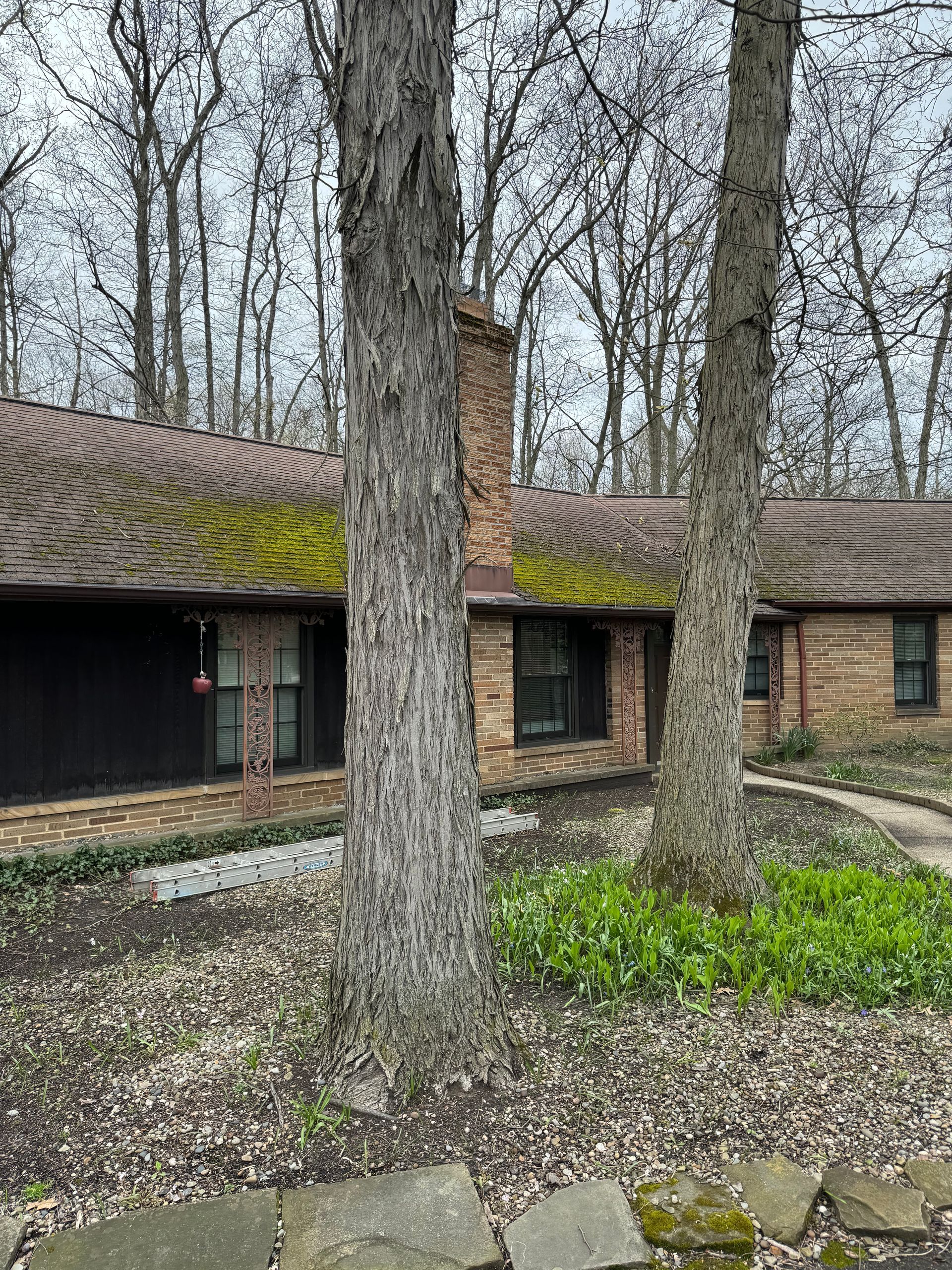
- Roofs (especially asphalt shingles)
- House siding (vinyl, wood, stucco, painted surfaces)
- Delicate or porous materials
Key Differences: Pressure Washing vs. Soft Washing
AspectPressure WashingSoft WashingWater PressureHigh (1,500–4,000 PSI)Low (under 500 PSI)Cleaning MethodForce of water onlyCleaning solutions + gentle rinseBest For RoofsNot recommended — high risk of damageIdeal and safest choiceBest For SidingRisky on vinyl/wood — can cause issuesSafe and effectiveResults on Algae/MossRemoves surface only — regrows fasterKills at the root — longer-lasting resultsRisk of DamageHigh (strips granules, forces water behind surfaces)Very low when done professionallyLongevity3–6 months1–3+ years
Why Soft Washing Is Usually Better for Roofs
Asphalt shingle roofs are especially vulnerable. High-pressure washing can:
- Strip away protective granules that shield shingles from UV rays and weather
- Loosen or dislodge shingles
- Force water underneath, leading to leaks and attic damage
- Potentially void your roof’s manufacturer warranty
Soft washing gently removes black streaks (algae), green moss, and lichen without harming the shingles. It extends roof life and restores your home’s curb appeal safely.
Why Soft Washing Is Safer for House Siding
Vinyl, wood, and painted siding can be damaged by high pressure:
- Warping or cracking vinyl panels
- Driving water behind siding, causing rot or mold
- Stripping paint or etching wood fibers
Soft washing cleans effectively around seams, windows, and trim while preserving the integrity and finish of your siding.
When Pressure Washing Makes Sense
Pressure washing is still a great tool — just not for roofs or most siding. We use controlled pressure washing for:
- Driveways and walkways
- Concrete patios
- Brick or stone surfaces
Trust the Professionals at HALO Cleaning Services
DIY pressure washing or renting equipment often leads to costly mistakes. Our trained team knows exactly which method to use on every surface, so you get outstanding results without the risk.
We proudly offer professional soft washing for roofs and siding across Lyndhurst, Cleveland, and surrounding Northeast Ohio communities.
Ready for a cleaner, longer-lasting exterior?
Contact HALO Cleaning Services today for a free quote on safe roof and house washing.